
Truth and Reconciliation: A History of the Inuit Forced Relocations
Sep 29, 2025
Truth and Reconciliation: A History of the Inuit Forced Relocations
Introduction
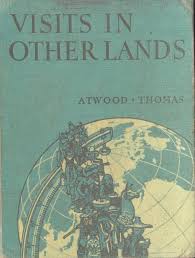
If you attended school in the Protestant School Board of Greater Montreal in the 1960s, and many other schools in Canada, you probably remember our 4th grade geography book - “Visits in Other Lands”. We learned about Bunga of Malaya, Pedro of the Andes, and of course, Netsook and Klaya in the Far North.
But we were blissfully unaware that while we were learning about the fictional Netsook and Klaya, our neighbors to the north were being subjected to horrific atrocities, abuse, lies and deceit by Canada’s government, resulting in death, despair and generational trauma that continues to this day.
My recent Arctic Expedition Cruise with Adventure Canada included extensive educational sessions from Inuit Cultural Advisors on the forced relocations, sled dog slaughters, and other challenges faced by the Inuit.
September 30, 2025 is Canada’s National Day for Truth and Reconciliation. It’s a great opportunity for me to brief my followers on what happened in the Far North in the 1950s and 60s.
Buckle up. This is not easy to write, and it’s gonna be a tough read. Here’s what I learned…
Inuit Forced Relocations: A Story of Generational Trauma and Acknowledgment
Background of the Forced Relocations
In the mid-20th century, Inuit families were forcibly relocated by the Canadian government to assert sovereignty over the High Arctic. Beginning in 1953, Inuit from Northern Quebec towns such as Inukjuak (Port Harrison) were moved more than 2,000 kilometers away to places like Grise Fjord on Ellesmere Island, and Resolute Bay on Cornwallis Island in the high Arctic. They were fed lies about rich hunting and trapping grounds and false promises that they could return if they wished.
Instead, families faced extreme trauma, including an environment where the ground never thawed, the sun disappeared for months on end, barren hunting grounds and social isolation.
Adventure Canada was fortunate to have Martha Flaherty on the expedition team as an Inuit Cultural Advisor. She was born in Inukjuak in northern Quebec, a village portrayed in her grandfather’s famous film “Nanook of the North”. Martha’s heartbreaking story was documented in the 2008 film “Martha of the North”, by Marquise LePage. The movie was screened and discussed during our Expedition.
Martha’s other grandfather, Paddy, was an accomplished sculptor, whose work is still featured in major collections of Inuit art. Her father, Josephie knew his country well, and always provided for his family. In 1952, the RCMP approached family members about moving to the high arctic. They were reassured that the location had been chosen for its abundant game, including Arctic fox. They left home on July 26, 1953 for the 2,000 Km journey. Martha’s father agreed to join his step-father 2 years later, in July, 1955, when Martha was just 5 years old.
Martha’s sister, Mary was separated from the family en route as she was suspected of carrying tuberculosis.
The new location turned out to be a total lie. There was no vegetation, and very few animals. Ellesmere Island was a wasteland of ice. They named it “Aujuittuq” - the place that never melts. They discovered that Paddy had died a year earlier, one year after arrival on the island. Paddy had asked to return home almost immediately, but was told that they would have to cover the cost of the trip, which was impossible.
No permanent housing had been built for them. They were forced to live in canvas tents. The average temperature was -40º. The ocean was frozen 11 months of the year. The area had been declared a wildlife preserve, and they weren’t allowed to hunt the local musk oxen and could only take one caribou per year.
The polar winter night made it impossible to hunt. Martha’s father was no longer able to provide for his family. The anger came next. His normal good-natured smiles turned to angry shouting and abuse.
Mary finally returned to them 2 years later, but her long estrangement meant she no longer remembered her own family. Bureaucratic incompetence had shuttled her from the hospital, to Montreal, to Inukjuak, to Resolute Bay, and finally to Ellesmere Island over a period of nearly 2 years.
In 1962, they finally got permanent housing. Martha was sent to residential schools in Yukon, Manitoba and the Northwest Territories from age 15 and suffered abuse, racism and cruelty.
Decades later, the Inuit learned that the real reason for the relocations was to affirm Canadian sovereignty in those lands by establishing permanent settlements. This was during the Cold War, when Canada and its allies were building the Distant Early Warning “DEW line”, a series of radar installations meant to detect an invasion from the Soviet Union.
In 1987, families were finally given the opportunity to resettle. Most of Martha’s family moved back to Inukjuak and Iqaluit. Martha’s story highlights the cultural disruption and intergenerational trauma caused by the government's lies, deceit and broken promises.
Today, Martha lives in Ottawa, where she has been a film-maker, and a strong advocate for Inuit rights. Martha has met King Charles III, was awarded the Coronation Medal, and was featured on the Canadian $100 gold coin that was minted in 1990.
We heard from other Inuit who had also suffered generational trauma. People like Kyle, another Inuit Cultural Educator, whose grandfather was relocated from Ennadai Lake. Bulldozers came into their settlement and crushed their homes, killing families, including children who refused to leave their homes. Hundreds of sled dogs were killed. The generational trauma followed to Kyle’s dad and his siblings. Similar trauma came from Kyle’s maternal side. The toxic abuse propagated to Kyle’s generation. Fortunately, he was able to extract himself from the downward spiral, and today is a very accomplished young man. Kyle helped create an app called Nika that helps Inuit find support resources and phone numbers. It has helped numerous families.

Adventure Canada’s 2025 Circling the Midnight Sun expedition team Inuit Cultural Educators. L to R - Kyle Kowtak, Lucy Qavavauq, Myna Ishulutak, Martha Flaherty, John Houston, Franco Buscemi, Wayne Broomfield.
Personal Stories and Community Impact
The stories of elders like MLA Isaac Shooyook and descendants of relocated Inuit families reveal decades of trauma, loss, and resilience. These relocations severed familial ties and disrupted cultural continuity. Inuit were often misled and coerced, with government documents later revealing the relocations were motivated by political sovereignty rather than Inuit welfare.
The Fight for Apology and Recognition
For over 15 years, Isaac Shooyook campaigned for a formal apology and compensation. The heartfelt plea of elders, symbolized by Isaac Shooyook’s red jacket representing family blood and pain, played a pivotal role in shifting government attitudes. In February 2024, the Canadian government issued a historic apology acknowledging the injustice of the relocations, the broken promises, and the lasting intergenerational trauma.
Healing and Moving Forward
The apology marked not just a formal statement, but a step towards healing. Inuit leaders emphasize the importance of truth-telling, community acknowledgment, and cultural reclamation. Efforts such as the Qikiqtani Truth Commission and community programs focus on restoring traditional knowledge and addressing the lingering effects of colonial policies such as dog slaughters and residential schools.
Apology for the Dog Slaughter
RCMP and Quebec police slaughtered tens of thousands of sled dogs in the 1950s and 60s, ostensibly to prevent the Inuit from being mobile. One story was told of a man who came to a settlement to buy supplies, only to leave the store to find his entire team had been shot dead by officers. He had no way to travel the 150km back home with his supplies.
In November, 2024, the Canadian government also apologized for its role for the mindless dog slaughter. “On behalf of the government of Canada and of all Canadians, I am sorry. Please forgive us,” Crown-Indigenous Relations Minister Gary Anandasangaree said.
The apology came more than 14 years after former Quebec Superior Court Justice Jean-Jacques Croteau issued a report finding Quebec provincial police officers killed more than 1,000 dogs in Nunavik “without any consideration for their importance to Inuit families.” Croteau found the federal government failed to intervene or condemn the actions.
The apology carried a commitment from the federal government to spend $45 million to launch programs to promote the revitalization of communities in Nunavik.
The Truth and Reconciliation Commission of Canada: Calls to Action
Overview of the Commission’s Goals
The Truth and Reconciliation Commission (TRC) was established to address the legacy of residential schools and promote healing between Indigenous and non-Indigenous Canadians. The Commission issued 94 Calls to Action targeting reforms in child welfare, education, language preservation, health, justice, and cultural recognition.
Child Welfare and Education Reforms
The TRC calls for reducing the overrepresentation of Indigenous children in care through culturally appropriate services and national standards. It demands equal funding for Indigenous education, culturally relevant curricula, and support for post-secondary access to close educational gaps.

Inuk woman in Saluit, Nunavik carries her grandchild in a traditional Amauti hood.
Language and Cultural Revitalization
Recognizing language as vital to cultural identity, the TRC urges enactment of an Aboriginal Languages Act, appointment of a Languages Commissioner, and funding for language preservation programs. It also supports reclaiming Indigenous names altered by colonial systems.
Health Equity and Justice System Changes
The Commission highlights the ongoing health disparities rooted in colonial history and calls for sustainable funding for healing centers. It advocates for cultural competency training in healthcare and justice sectors and reforms to reduce Indigenous overrepresentation in custody.
Framework for Reconciliation and National Institutions
The TRC recommends adopting the United Nations Declaration on the Rights of Indigenous Peoples as a reconciliation framework, establishing a National Council for Reconciliation to
monitor progress, and creating a National Day for Truth and Reconciliation to honor survivors. As I mentioned earlier, this day will be observed this year on September 30, 2025.
Cultural Commemoration and Public Education
Calls include commissioning memorials for residential school survivors, revising museum and archival practices, enhancing Indigenous programming in media, and educating newcomers to Canada about Indigenous histories.
Being an Ally: Supporting Indigenous Healing and Rights
Understanding Allyship
True allyship requires ongoing education, challenging oppressive systems, and centering Indigenous voices. Allies must recognize their privilege and commit to actions beyond symbolic gestures, fostering mutual respect and understanding.
Practical Steps for Individuals and Communities
Individuals can educate themselves through Indigenous-led resources, support community programs, and engage in meaningful conversations. Corporations and institutions should promote Indigenous representation, equitable opportunities, and support cultural initiatives.

Inuit women from Kinngait wearing traditional Amauti with ornate beadwork
Avoiding Performative Actions
Allyship is ineffective if superficial or performative. Authentic engagement demands listening, learning, and sustained commitment to Indigenous rights and reconciliation efforts.
The Nunavut Agreement: A Landmark for Inuit Self-Determination
Historical Context and Significance
The Nunavut Agreement, signed on July 9, 1993, led to the creation of Nunavut as a distinct Canadian territory on April 1, 1999. This historic agreement stands as the largest Indigenous land claim settlement in Canada, securing Inuit collective ownership over approximately 353,610 square kilometers—about 18% of Nunavut’s landmass. Notably, Inuit maintain sub-surface rights to valuable natural resources on roughly 10% of this land, granting them a stake in resource extraction activities.
Inuit Governance and Land Management
Central to the Agreement is Inuit self-determination. It empowers Inuit to govern their lands and resources, fostering a political identity rooted in cultural values and community participation. Joint governance bodies such as the Nunavut Wildlife Management Board and the Nunavut Planning Commission ensure Inuit voices shape decisions on land use and resource development. The agreement also emphasizes culturally relevant service delivery, including the use of the Inuit language in public services.
Challenges and Future Developments
Despite strides in governance, Nunavut faces ongoing social challenges like low educational attainment and alarming youth suicide rates. Nunavut Tunngavik Inc. (NTI), the primary Inuit organization, has actively pursued legal remedies to enforce Inuit employment rights, leading to significant settlements and training initiatives. The recent Nunavut Land and Resources Devolution Agreement signed in January 2024 further enhances Inuit control over Crown lands, marking a new chapter in self-governance.
Cultural and Economic Implications
The evolving relationship between Inuit and their land balances traditional spiritual connections with emerging economic opportunities from resource development. This balance is crucial for preserving Inuit culture and environmental stewardship while fostering sustainable growth in Nunavut’s future.
Inuit Cultural Organizations and Community Empowerment
Structure of Inuit Organizations
Nunavut is home to a well-established network of Inuit organizations that manage land claims, cultural heritage, education, and economic development. Nunavut Tunngavik Inc. (NTI) leads as the primary land claims organization, supported by three regional bodies: Qikiqtaaluk (Baffin), Kivalliq, and Kitikmeot. These regional organizations work closely with local hunters and trappers associations and community boards to ensure grassroots involvement.
Inuit Heritage Trust and Cultural Preservation
Organizations like the Inuit Heritage Trust (IHT) safeguard cultural and tangible heritage, including archaeological collections and traditional knowledge. The development of the Inuit Heritage Center aims to provide a dedicated space for cultural expression, education, and preservation, featuring exhibits, workshops, and interactive experiences designed by Inuit, for Inuit.
Revitalizing Tradition through Qajakkut Society
The Qajakkut Society, co-founded by Inuit youth, revitalizes traditional skills such as kayak building and paddling. Since its incorporation in 2016, the society has constructed over 25 traditional skin-on-frame kayaks and hosted workshops across multiple communities. Their work exemplifies community-driven cultural resurgence supported by Inuit organizations and partnerships.
Monitoring and Protecting the Land and Marine Environment
NTI’s Marine Department plays a crucial role in monitoring shipping traffic and environmental changes affecting Inuit hunting and camping areas. Using technologies like Automatic Identification System (AIS) tracking and weather stations, the department collects data to safeguard traditional territories from increasing Arctic shipping and environmental shifts.
Conclusion
The intertwined narratives of the Nunavut Agreement, Inuit forced relocations, and the Truth and Reconciliation Commission’s Calls to Action illuminate the complex history and ongoing journey of Inuit and Indigenous peoples in Canada. Through acknowledgment, cultural revitalization, and legal empowerment, Inuit communities continue to assert their rights and identity. For Canadians and global audiences alike, understanding these stories fosters empathy, supports justice, and guides collective efforts toward reconciliation and a more equitable future.